
Blogs & Articles
Unlock agency-level product advertising visuals. This guide dissects a powerful AI prompt for creating premium commercial ads with pixel-perfect product accuracy and sophisticated art direction.
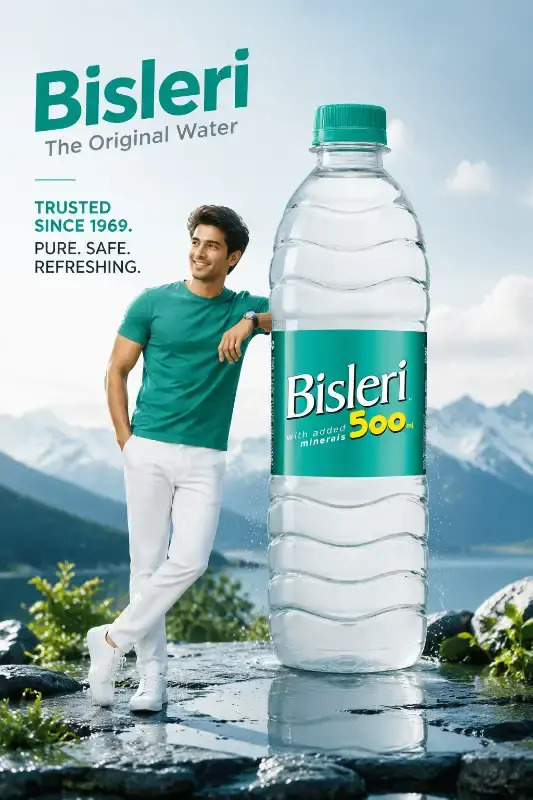
Unlock agency-level product advertising visuals. This guide dissects a powerful AI prompt for creating premium commercial ads with pixel-perfect product accuracy and sophisticated art direction.
Creating high-end, conversion-optimized product visuals without the massive budget and logistical challenges of traditional photoshoots is a persistent challenge for brands and marketers. This is where advanced AI prompting becomes a game-changer.
This guide dives deep into a meticulously engineered AI prompt designed to generate premium, world-class commercial advertisements. You'll discover how to achieve pixel-perfect product consistency, intelligently integrate models, craft dynamic environments, and illuminate your scenes with professional studio lighting, all while maintaining an unmistakable luxury aesthetic.
The foundation of any successful product advertisement is the product itself. This prompt elevates AI product photography by demanding "100% identical to the reference image" and "pixel-perfect accuracy." This isn't just a suggestion; it's a critical instruction that ensures your brand's integrity remains untouched.
Imagine the frustration of generating an otherwise perfect ad, only to find your product's logo distorted or its packaging subtly altered. This prompt explicitly prevents such issues by commanding the AI to "preserve its exact shape, proportions, dimensions, colors, materials, branding, typography, packaging, cap, nozzle, label, finish, textures, reflections, and every visible detail." This level of detail is paramount for consistent branding AI visuals across all marketing channels, building trust with your audience.
Furthermore, the prompt ensures the product appears exactly as uploaded, benefiting only from "realistic commercial lighting and physically accurate reflections." This means the AI enhances its visual appeal through professional illumination rather than artificial alterations, a key differentiator for high-conversion e-commerce photography.
Beyond just rendering the product, a truly premium ad tells a story through its setting. This prompt instructs the AI to "intelligently design a premium environment that best enhances its category, positioning, and visual identity." This moves far beyond generic backdrops, transforming the scene into an active participant in your brand's narrative.
The AI is tasked to "select the most suitable background style automatically" from a rich palette: "luxury studio, architectural, editorial, nature-inspired, futuristic, industrial, minimal, organic, or another premium setting." This intelligent adaptation means the environment is always "intentional and professionally art-directed," guaranteeing contextual relevance and enhancing the product's perceived value. Think of a sleek tech gadget placed within a minimalist architectural masterpiece, or a natural skincare product nestled in a sun-drenched organic setting.
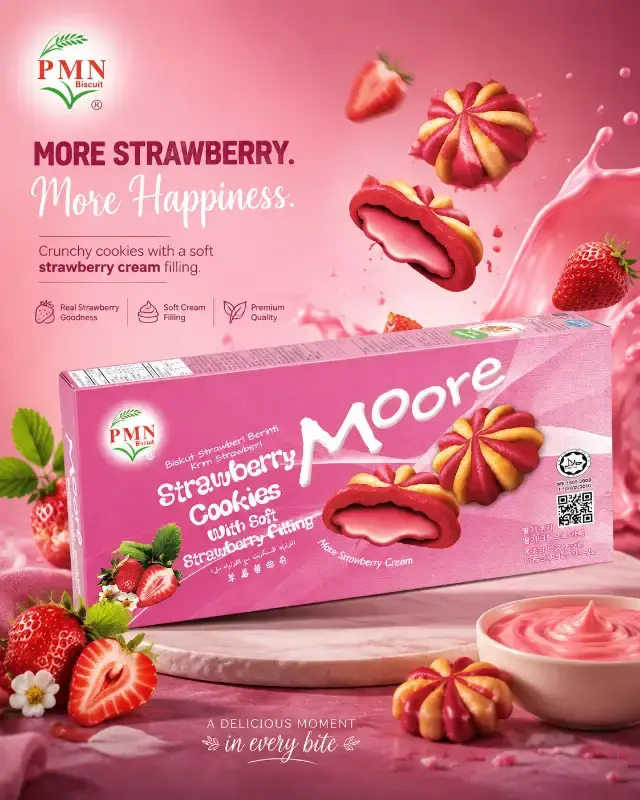
To further enrich the scene, the prompt calls for "contextual supporting elements" like "props, atmospheric effects, reflections, particles, textures, natural elements, or architectural details." These elements are carefully chosen to "enhance the product's appeal without overpowering it," ensuring the product remains the "undisputed hero." The focus is always on a sophisticated commercial composition with "generous negative space," a hallmark of high-end advertising that allows the product to breathe and command attention.
Integrating a human element can significantly boost relatability and aspirational appeal in advertising. This prompt guides the AI to "generate a professional young male model with a clean, premium, and approachable appearance" that naturally complements the product. The emphasis is on a supporting role, ensuring the model enhances, rather than detracts from, the product's prominence.
The model's attributes are carefully defined: "healthy skin, neatly styled hair, confident body language, and a relaxed editorial pose." These details contribute to a polished, aspirational look consistent with a luxury brand. A subtle yet powerful detail is the instruction for the model's t-shirt color to be "automatically derived from the product's dominant color palette," using a "tasteful shade or tint." This creates natural visual harmony without making the model's attire identical to the packaging, a sophisticated touch often seen in color matching apparel product photography for high-end campaigns.
Crucially, the prompt reinforces that "the model should never cover important branding or product details." This ensures that even with a human element, the product's visibility and brand messaging remain uncompromised, maintaining the product's hero status.
Lighting is the ultimate sculptor of form, texture, and mood in photography, and this prompt leaves no stone unturned in achieving "world-class commercial studio lighting." It specifies "physically accurate light behavior," a crucial element for generating photorealistic product rendering lighting that truly mimics professional studio setups.
Detailed lighting parameters are provided: "premium key lighting, controlled fill lighting, elegant rim lighting, subtle ambient illumination, realistic contact shadows, refined glossy reflections, and cinematic depth." Each element plays a vital role. Key lighting defines the product, fill lighting softens shadows, rim lighting creates separation and highlights contours, and subtle ambient light adds overall realism. Realistic contact shadows anchor the product in its environment, while refined glossy reflections emphasize material quality.
The prompt explicitly guards against common AI pitfalls, instructing to avoid "artificial glow, excessive HDR, oversaturation, or unrealistic effects." This commitment to "complete realism" ensures that the lighting "emphasizes the product's materials"—whether it's the sheen of glass, the texture of ceramic, or the gloss of polished metal—making the product look tangible and desirable. For more advanced product creative tools, explore our Product Creative category.
In commercial advertising, text is not merely information; it's a design element. This prompt ensures that typography is seamlessly integrated with "a refined typographic hierarchy." It specifies the main headline, like "[Bisleri] in a bold modern premium sans-serif typeface with excellent readability," and a supporting tagline, such as "[The Original Water] elegantly within the layout using a complementary premium font."
This meticulous attention to font choice, placement, and hierarchy means the AI doesn't just place text; it designs it into the composition. The instruction that "all typography must remain fully editable, perfectly aligned, professionally spaced, and harmoniously integrated into the design" is a game-changer for marketers. It means the generated ad visuals are not just pretty pictures, but practical assets that can be easily adapted for different campaigns or languages in post-production. Furthermore, reserving "adequate negative space for additional branding, pricing, promotional badges, QR codes, or campaign information" demonstrates foresight for real-world AI typography integration commercial ads and marketing needs.
The ultimate goal of this prompt is to transcend mere image generation and deliver true "agency-level art direction." The entire creative direction is geared towards communicating a "Luxury, Elegant, and Modern brand identity," where every decision—from composition and lighting to typography, styling, and color grading—works in concert to reinforce "sophistication, craftsmanship, trust, and premium quality."
The prompt sets an incredibly high bar by stating the final result should resemble a "high-budget international advertising campaign created by top creative agencies such as Pentagram, Landor, Collins, or Wolff Olins." This isn't just aspirational; it provides a concrete benchmark for the AI's output quality.
Achieving this requires "impeccable photorealism, flawless composition, premium color grading, razor-sharp details, realistic material rendering, and commercial-quality finishing." These are the hallmarks of professional AI art direction for luxury brands, ensuring the visuals are suitable for the most demanding applications, from luxury print advertisements and billboards to magazine covers, website hero banners, and premium social media campaigns.
Unlock the full potential of this premium prompt here and start generating your own world-class campaigns.
Leveraging this powerful prompt means understanding its flexibility. Here are some pro tips to truly make it your own:
The prompt specifies "scale the product to approximately 3× the height of the model." While this creates a dominant hero shot, you can subtly adjust this ratio to fit specific campaign needs. For a more intimate, lifestyle feel, try scaling the product to 2x or 2.5x the model's height. For maximum impact on a billboard, you might even push it slightly beyond 3x.
While the prompt defaults to a "professional young male model," you can easily adapt this. Consider specifying "a professional young female model" or even "an older, sophisticated model" to match a different target demographic. Always maintain the "clean, premium, and approachable appearance" to align with the luxury aesthetic.
The prompt's intelligent environment selection is powerful, but you can provide more specific guidance. If you have a high-tech gadget, try adding "futuristic urban penthouse with subtle neon accents" to guide the "architectural" or "futuristic" styles. For a gourmet food product, suggest "artisanal kitchen setting with diffused natural light" to lean into an "organic" or "editorial" feel. This helps the AI fine-tune its AI background generation for luxury products for your specific needs.
While the lighting parameters are fixed for "world-class commercial studio lighting," you can subtly influence the mood. Adding a descriptor like "dramatic cinematic depth with deep shadows" or "bright, airy, high-key studio lighting" can guide the AI to interpret the existing parameters with a slightly different emphasis, creating varied AI studio lighting techniques for different emotional impacts.
Remember to specify your desired aspect ratio using the --ar parameter. For social media, --ar 1:1 (square) or --ar 9:16 (vertical story) are ideal. For website hero banners or print ads, --ar 16:9 or --ar 3:2 might be more suitable. This ensures your commercial image finishing AI outputs are perfectly framed for their intended use.
This prompt is an incredibly powerful tool for anyone looking to create luxury commercial advertising visuals with unprecedented quality and consistency. By understanding its intricate design and leveraging its intelligent parameters, you're not just generating images; you're art-directing entire campaigns.
--ar for your primary output platform (e.g., web banner, social post, print ad).Embrace the power of this prompt to transform your product visuals from generic to genuinely world-class. The future of high-end product photography is here, and it's driven by intelligent AI art direction.
Explore 500+ Free AI Templates
Handcrafted prompts for product photography, e-commerce, branding & more — ready to use instantly.